Heat Pipe Production Line: Complete Manufacturing Guide
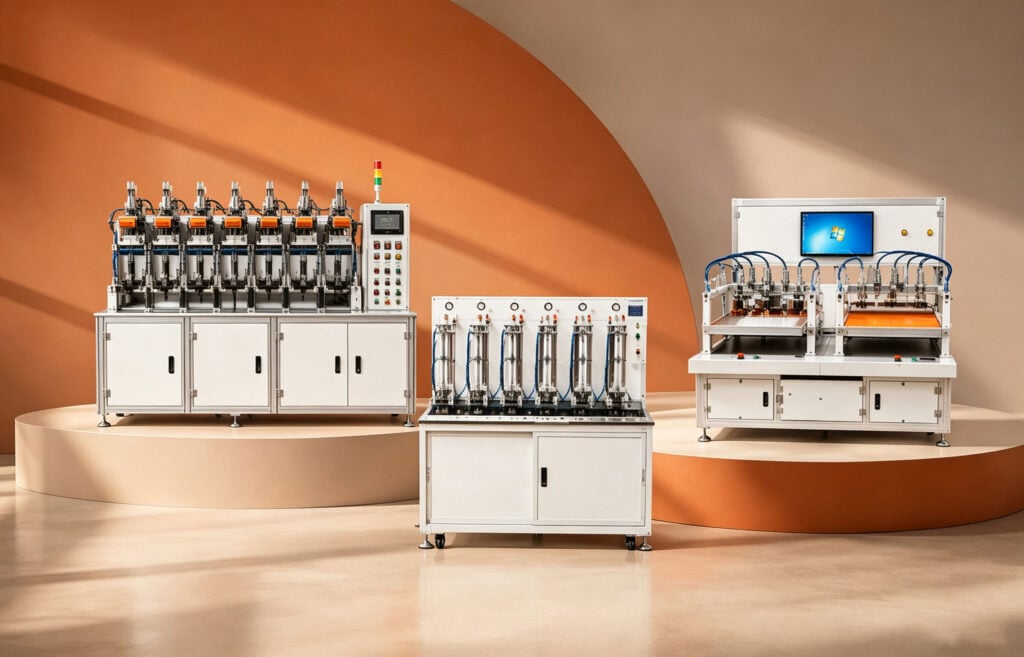
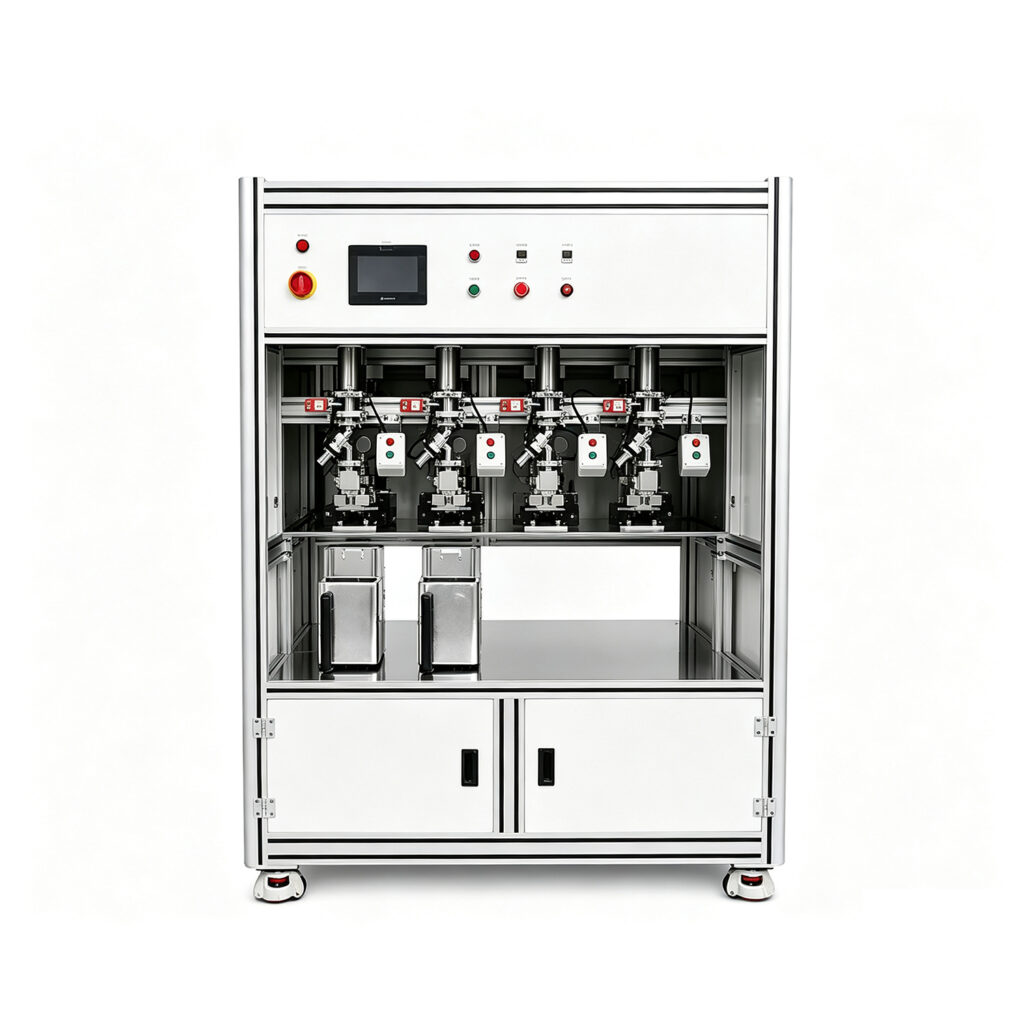
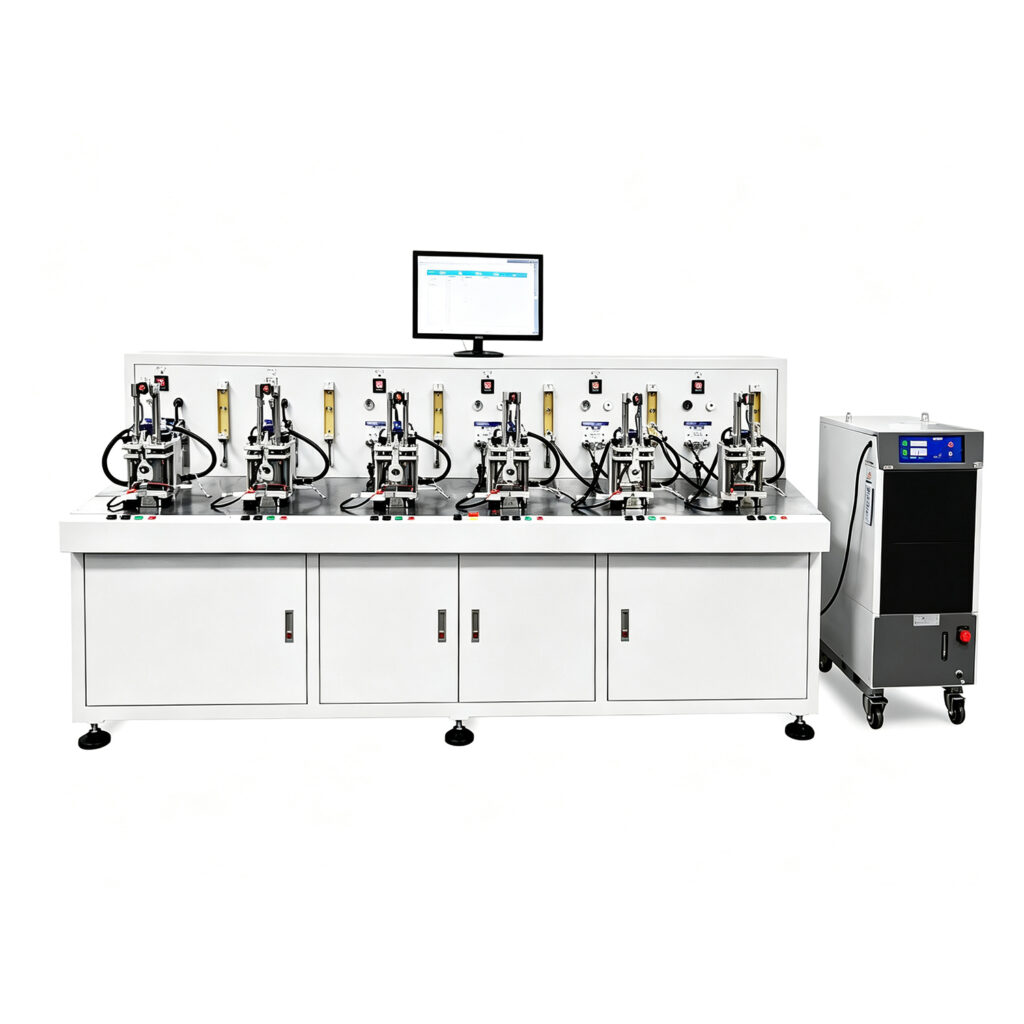
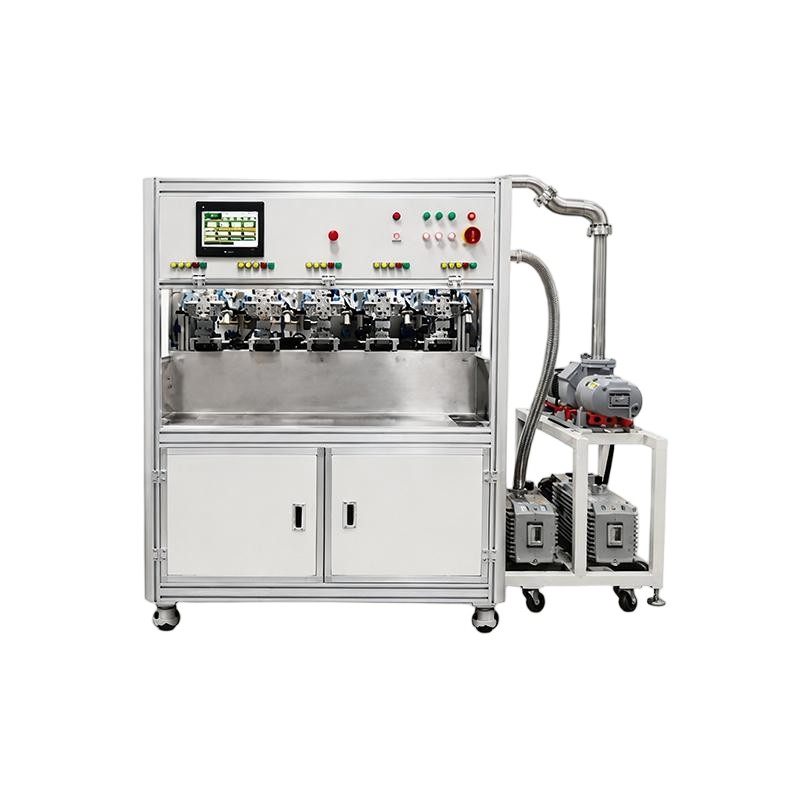
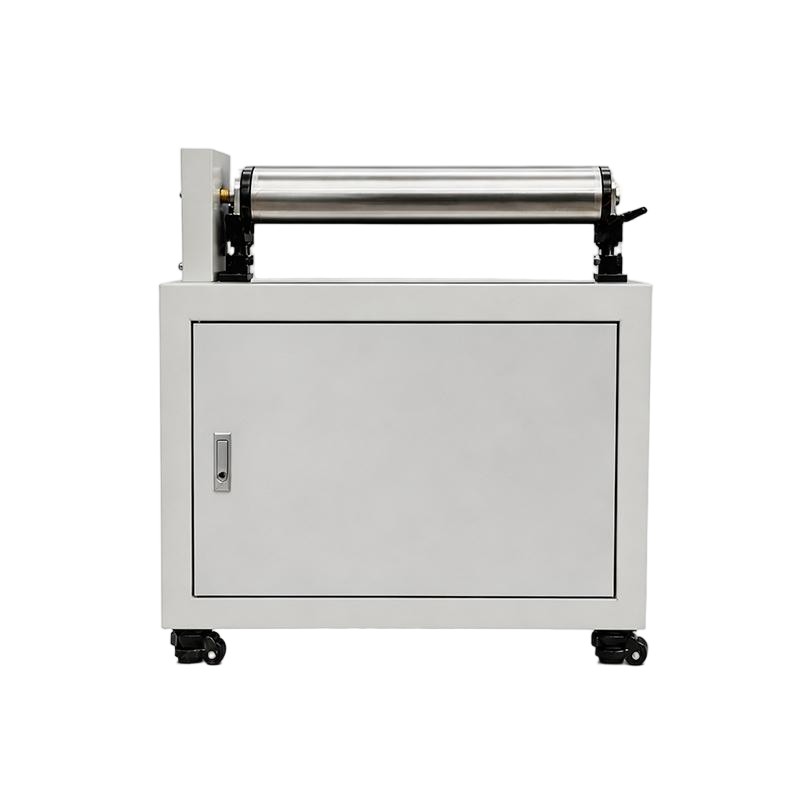
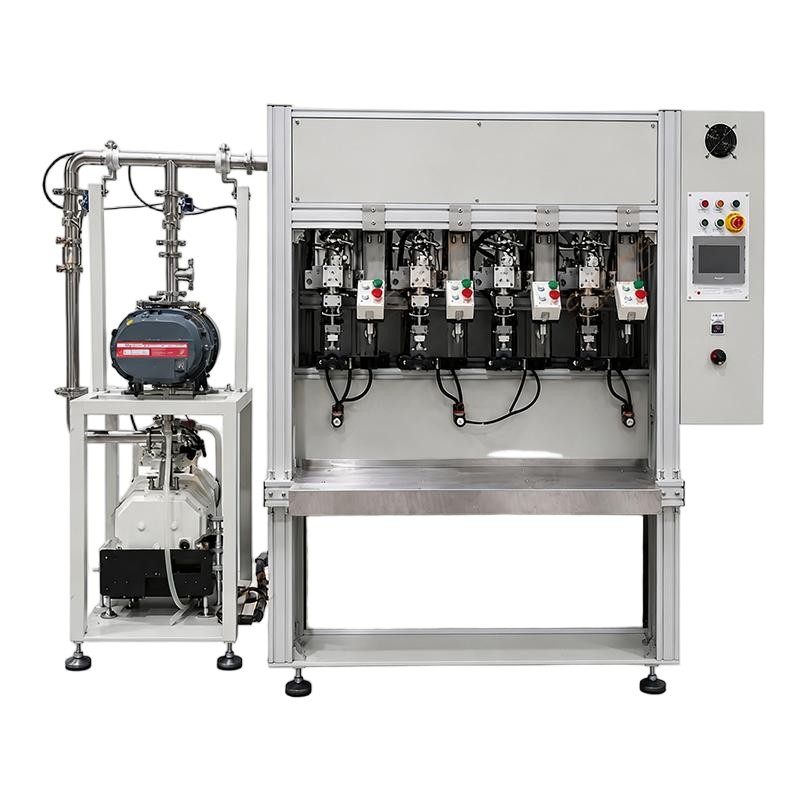
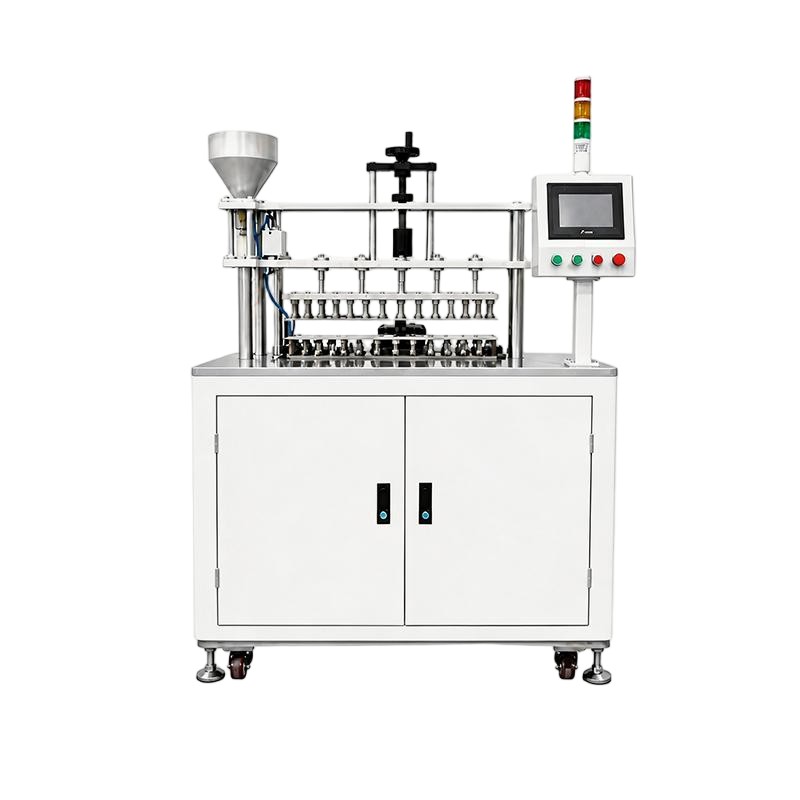
Heat Pipe Production Line: Complete Manufacturing Guide 1. What Is a Heat Pipe Production Line? A Heat Pipe Production Line is a manufacturing system for producing sealed heat transfer components. It combines several machines to complete different production operations. Depending on product design, the system may include: Copper tube cutting equipment Tube cleaning equipment Powder filling machines Vacuum sintering furnaces Heat pipe forming equipment Necking machines Drying and degassing equipment Working fluid filling systems Filling and welding machines Leak testing equipment Thermal performance testing equipment Each machine performs a specific manufacturing task. Together, they support a controlled and repeatable production process. However, not every heat pipe requires identical equipment. The required configuration depends on tube dimensions, wick structures, working fluids, and product applications. For example, sintered copper wick heat pipes require powder preparation and sintering. Grooved and mesh wick products use different manufacturing methods. Therefore, manufacturers should select equipment according to their actual product designs. 2. How Does a Heat Pipe Work? Before selecting a Heat Pipe Production Line, manufacturers should understand heat pipe operation. A heat pipe transfers heat through a sealed working fluid. Its internal structure usually contains three main components. 2.1 Evaporator Section The evaporator section receives heat from an external source. The working fluid absorbs energy and changes into vapor. As a result, the vapor moves toward the cooler section. 2.2 Condenser Section The condenser section releases heat into the surrounding environment. The vapor loses energy and condenses into liquid. Consequently, the working fluid returns toward the evaporator. 2.3 Wick Structure The wick structure helps return liquid through capillary action. Common wick designs include: Sintered powder wick Grooved wick Mesh wick Composite wick Each structure offers different capillary and thermal characteristics. For instance, sintered copper powder wicks provide a porous structure. Their performance depends on particle size, porosity, pore distribution, and manufacturing conditions. Manufacturers must therefore match wick preparation processes with the intended heat pipe design. 3. Main Heat Pipe Manufacturing Processes A complete Heat Pipe Production Line follows several coordinated manufacturing stages. However, the exact sequence depends on the heat pipe structure. 3.1 Copper Tube Cutting First, manufacturers cut copper tubes to the required dimensions. Accurate cutting helps maintain consistent product lengths. Furthermore, suitable cutting equipment reduces deformation and improves processing efficiency. The cutting process should consider: Tube diameter Tube wall thickness Required cutting length Material characteristics Production volume After cutting, operators should inspect the tube ends. Burrs and deformation may affect later manufacturing operations. 3.2 Tube Cleaning and Preparation Next, manufacturers clean the copper tubes. This process removes oil, dust, metal particles, and other contaminants. Clean internal surfaces support reliable wick preparation and product assembly. Additionally, manufacturers should control the cleaning and drying processes. Residual contaminants may affect internal cleanliness. 3.3 Wick Structure Preparation The wick structure plays an important role in heat pipe performance. Therefore, manufacturers must select suitable preparation methods. For sintered powder wicks, copper powder enters the tube before sintering. The powder forms a porous structure under controlled heating conditions. For other designs, manufacturers may insert mesh or create internal grooves. The preparation method depends on the product’s thermal requirements and structural design. 3.4 Powder Filling Powder filling applies to heat pipes that use sintered powder wicks. A [Heat Pipe Powder Filling Machine] distributes copper powder inside the tube. Consistent powder distribution helps establish the intended wick structure. Important process factors include: Powder particle characteristics Filling quantity Powder distribution Tube dimensions Filling consistency Manufacturers should also control powder cleanliness. Contamination may affect the resulting porous structure. 3.5 Vacuum Sintering After powder filling, suitable products enter a sintering process. A [Vacuum Sintering Furnace] heats the copper powder under controlled conditions. This process bonds powder particles and forms a porous wick. However, sintering parameters depend on powder characteristics and product design. Manufacturers should evaluate porosity, mechanical integrity, and capillary performance. These factors help determine whether the wick meets design requirements. 3.6 Forming and Necking Some heat pipe designs require forming or necking operations. These processes shape the tube and prepare its ends for subsequent manufacturing steps. A [Heat Pipe Necking Machine] can reduce the tube diameter at specified positions. This operation supports different sealing and assembly requirements. Manufacturers should control deformation carefully. Excessive deformation may damage internal structures or affect tube dimensions. 3.7 Drying and Vacuum Degassing Drying and degassing help prepare the internal space before working fluid filling. Moisture and non-condensable gases can reduce heat pipe performance. Therefore, manufacturers need suitable process controls. A [Heat Pipe Multi-station Dry-out Tester] supports drying-related process operations, depending on its configuration. Meanwhile, a [Heat Pipe Vacuum Degassing Machine] supports vacuum treatment and gas removal. These processes serve different purposes. Manufacturers should define suitable parameters for their materials and product structures. 3.8 Working Fluid Filling After internal preparation, manufacturers introduce the specified working fluid. The fluid type and quantity depend on the heat pipe design. Common choices include water and other compatible working fluids. Filling accuracy matters because an incorrect charge may affect thermal performance. Therefore, manufacturers should establish suitable filling procedures. They should also maintain consistent process records. 3.9 Filling and Welding After working fluid filling, manufacturers seal the heat pipe. A [Heat Pipe Filling & Welding Machine] can integrate filling and sealing operations. The specific process depends on the machine configuration. Suitable welding parameters help create reliable joints. Meanwhile, manufacturers should consider tube material, wall thickness, and joint geometry. 3.10 Leak Testing and Thermal Performance Testing Finally, manufacturers inspect the finished heat pipes. Leak testing checks whether the sealed product maintains its required integrity. Thermal performance testing evaluates heat transfer behavior under defined conditions. A [Heat Pipe Thermal Performance Tester] helps manufacturers assess product performance. However, leak testing and thermal testing are different procedures. Both may be necessary for comprehensive quality control. 4. Essential Heat Pipe Production Equipment A suitable Heat Pipe Production Line requires equipment that matches the product structure and manufacturing process. The following table summarizes common equipment and its main functions. Equipment Main Function Applicable Process Copper Tube Cutting Machine Cuts tubes to specified lengths Tube preparation Tube Cleaning Equipment Removes
Heat Pipe Production Line: Complete Manufacturing Guide Read More »