
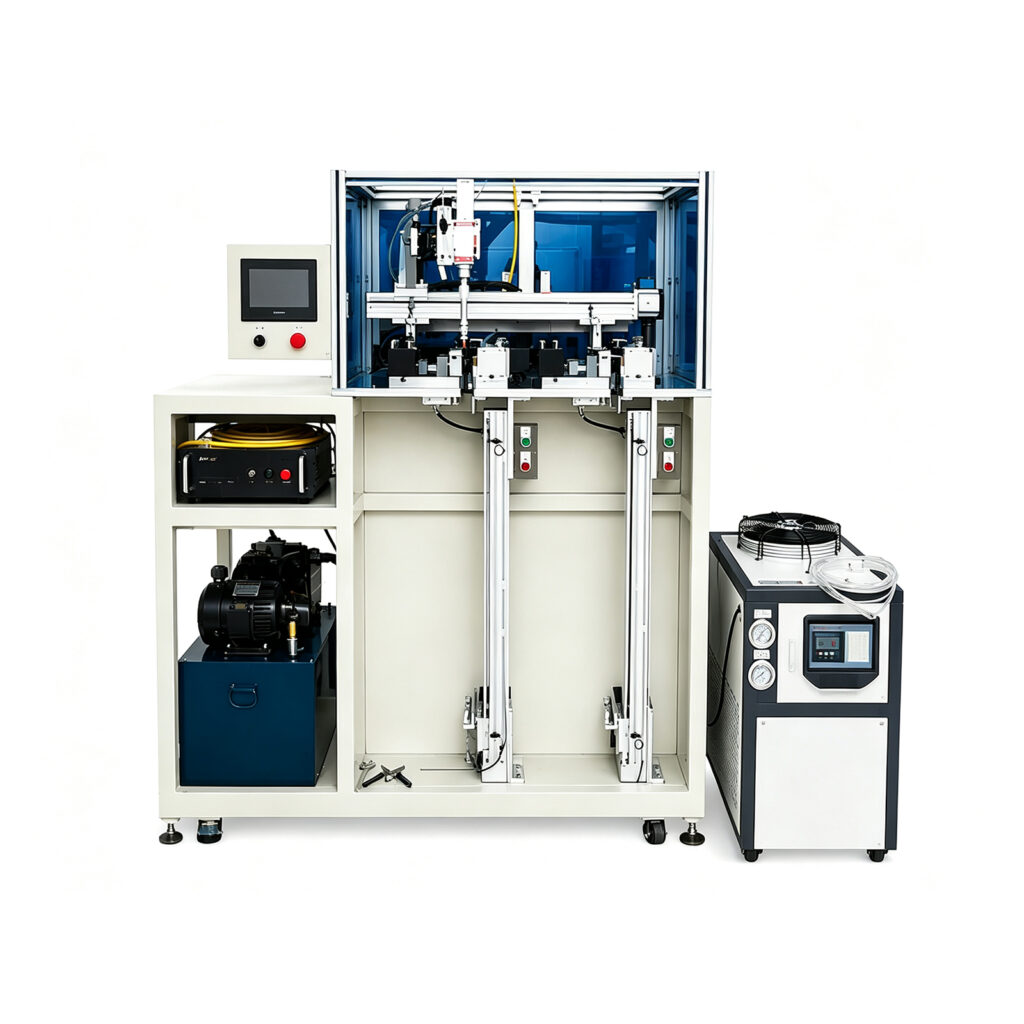
Conveyor Automatic Sand Blasting Machine Guide
Introduction
Manufacturers must use reliable equipment for the cleaning of components prior to the application of paint or other types of processing. The success of metal surface preparation will affect how well the coating adheres to the metal, how good the final product looks, and its ability to resist corrosion.
A conveyor automatic sand blasting machine uses both automated material movement and abrasive blasting technologies. This machine moves work pieces through a blasting chamber to remove rust, mill scale, and other surface contamination.
Conveyor machines are designed for continuous production. Therefore, factories using this type of machine can produce at higher volumes while reducing the need for manual handling and maintaining a steady operating environment.
The choice of the appropriate equipment depends on several factors besides just comparing the amount of blasting power. The size of the workpiece, what type of abrasive is selected, how fast the conveyor can move and the requirements for the finished surface will affect the overall performance.
The manufacturer needs to take into account the effects of abrasive recovery, dust collection, maintenance, and workplace safety on the cost of operation for the business in the long-term, and on how effectively the business operates.
The following guide describes how a conveyor blasting machine functions, where the manufacturing industry uses them, and how potential users may determine what type of configuration is right for their needs.
This course covers many aspects of production planning, including but not limited to, the practicalities involved with creating a production schedule; cost of operating machinery; and how to maintain your equipment.
1. What Is a Conveyor Automatic Sand Blasting Machine?
A Conveyor Automatic Sand Blasting Machine moves workpieces into a sealed chamber where it applies abrasive media to the surface of the workpieces.
The conveyor controls how workpieces move and the blasting units direct the abrasive particles at the target surfaces. Therefore, the machine will remove rust, scale and any other unwanted materials.
Industrial manufacturers generally use the phrase sand blasting when referring to their processes. However, most industrial manufacturers typically utilize a wide range of abrasive materials for cleaning and preparation purposes. Some examples of these materials include steel shot, steel grit, aluminum oxide, and other appropriate non-metallic abrasives.
The right type of abrasive for a job depends on the type of material being worked with and how smooth the final finish needs to be.
A typical conveyor blasting machine includes:
- An automatic conveyor system
- An enclosed blasting chamber
- Blast wheels or compressed-air nozzles
- An abrasive recovery system
- An abrasive separation unit
- An industrial dust collector
- An electrical control system
- Safety guards and interlocks
In addition to selecting various types of conveyors depending on what they are manufacturing, manufacturers may also choose from several conveyor options based on their manufacturing process needs.
Roller conveyors can be used to transport most types of steel plate as well as some structural components. Mesh belts on the other hand can be used to move small parts that are of an appropriate size for this type of conveyor.
As a result of this, when selecting equipment, it is best to start by considering the types of work pieces you will be processing instead of using general information about what machines can do.
2.How Does a Conveyor Sand Blasting Machine Work?
A conveyor blasting machine integrates material handling, abrasive acceleration, cleaning of surfaces and recovery of media.
First, operators load the workpieces on to the conveyor. The conveyor will transport each piece toward the blasting area.
The chamber is equipped with compressed air nozzles or blast wheels that will use force to cause abrasive particles to strike the surface of the work piece repeatedly. As the particles hit the surface over and over again, they begin to break away the undesirable material on the top layer of the work piece.
The conveyor is running at a specific rate which controls the amount of time that every part will stay in the blast chamber.
After blasting, the conveyor takes the treated components to the discharge zone. There are a variety of ways to clean off remaining abrasive material such as air knives, brushes, etc.
At the same time, the recovery system will also collect reusable media. A separator(s) will be used to remove any dust and/or unsuitable particles prior to the media being recirculated.
At the end of the process, workers review the surface prior to painting, coating, welding, or assembly.
Important Operating Parameters
Several factors determine the final surface quality.
Conveyor speed: Controls exposure time inside the blasting chamber.
Abrasive type: Influences cleaning action and surface profile.
Blasting intensity: Determines the impact applied to the workpiece.
Abrasive flow: Affects coverage and material removal.
Workpiece orientation: Influences access to different surfaces.
Dust Removal: To remove dust particles from the air, and to provide the proper environment for operation.
As such, manufacturers need to find a balance between both variables. If only one variable is changed, i.e., the intensity of the blast is increased, it could lead to surface damage or increased consumption of abrasives.
3.Main Components of the Machine
3.1 Conveyor System
The conveyor system moves work pieces through the blasting chamber at a pre-determined rate.
The manufacturer has several options for conveyor systems: roller conveyors, mesh belts, rubber belts and/or custom fixtures.
As an example of this type of application, roller conveyors provide support for numerous large steel plates and other manufactured assemblies. On the other hand, mesh belts are designed to handle smaller parts that fit well within their design parameters.
However, the conveyor must be able to hold up the weight of the workpiece and keep it in a position that is secure.
3.2 Abrasive Blasting System
The blasting system accelerates abrasive media toward the workpiece.
High volume production processes are suitable for turbine blast wheel systems, whereas compressed air blasting systems provide flexibility in processing some types of shapes and/or processing specifications.
Moreover, the amount of blast machines and their positioning will decide how much of the surface is covered by the blasting process.
Manufacturers need to assess hard-to-reach locations prior to choosing a particular configuration.
3.3 Blasting Chamber
The chamber contains the abrasive impact zone and limits media escape.
The interior of the machine has an internal wear protection that will withstand multiple abrasions. Also, the chamber design directs the abrasive toward where you want to process it.
Suitable chamber dimensions also allow workpieces to pass through safely.
3.4 Abrasive Recovery System
The recovery system collects abrasive after each blasting cycle.
Next, separation equipment separates unwanted materials such as debris and un-usable particles from the used abrasive material. After this, the system sends the re-usable abrasive material back to the blasting units.
Consequently, manufacturers are able to decrease the amount of waste generated from media use and keep operational parameters more uniform.
3.5 Dust Collection System
Blasting produces dust from surface contaminants and abrasive wear.
An industrial dust collector collects airborne particles and contributes to maintaining a cleaner work area.
Manufacturers will need to choose the most appropriate filter for the application based on the type of abrasive being used, what substrate it is being applied to, and all applicable safety regulations.
3.6 Electrical Control System
The control system coordinates conveyor movement and blasting operations.
The suitable parameter can be set by operators for various workpieces. Additionally, some of the selected systems will have alarm features, process monitoring features and automated shut down features.
4.Conveyor Automatic Sand Blasting Process
A typical production cycle follows several stages.
Step 1: Workpiece Preparation
First, operators will find the type of material, its measurements and what its current state of the surface is.
They will need to clean the oil or grease before using the blasting equipment.
Step 2: Conveyor Loading
Next, operators place the components onto the conveyor.
Suitable space will prevent excessive overlaps, and help abrasives reach the desired surface area.
Step 3: Parameter Adjustment
Operators select the conveyor speed and blasting settings.
In addition, trial runs can assist in establishing appropriate operating parameters for new/unfamiliar workpieces.
Step 4: Automatic Blasting
The conveyor moves the components through the blasting chamber.
The blasting units will also strip off any rust, scale, and other foreign matter on the surfaces.
Step 5: Abrasive Recovery
The recovery system collects and separates reusable media.
The machine has a continuous supply of abrasives while it is working on products.
Step 6: Surface Cleaning
After blasting, suitable cleaning devices remove loose abrasive and dust.
Some applications also require additional air cleaning or brushing.
Step 7: Quality Inspection
Finally, operators inspect the treated surfaces.
They must ensure that the surface is clean, and has an appropriate surface profile according to all relevant project specifications for coating applications.
5.Types of Conveyor Blasting Machines
Conveyor systems come in various configurations to allow for different product shapes and different levels of output.
5.1 Roller Conveyor Blasting Machine
A roller conveyor system is used to transport large numbers of steel plates, beams, and fabricated components. Roller conveyors are ideal for use in factories where there is a requirement for a continuous process of preparing surfaces.
Additionally, manufacturers may incorporate this machine into existing cutting, welding, and painting processes.
5.2 Mesh Belt Blasting Machine
The mesh belt system is designed to transport small and medium-sized components through a blasting chamber. The mesh belt system’s open design enables the abrasive to contact all exposed areas of the component from various angles.
Manufacturers have to align their belt openings and transportation conditions with the size of the components.
5.3 Continuous Belt Blasting Machine
The continuous belt system is used for supporting some of the components during a series of repeating production cycles. It can be used as long as the component being supported has enough strength, it fits the required shape (geometry), and there is sufficient contact with other parts.
Therefore, manufacturers need to confirm that the process will not harm fragile workpieces.
The choice of best setup is dependent on the size of the part being machined, the type of finish required on the part, the number of parts produced per day/week/month/year, and the layout of your plant.
6.Key Features and Advantages
6.1 Higher Production Efficiency
Automated transportation eliminates the necessity of having people physically transport each part.
In addition, continuous processing reduces wait time for consecutive workpieces. The benefits of this feature are especially useful in large-scale manufacturing operations.
6.2 More Consistent Surface Treatment
Controlled conveyor speed helps maintain repeatable blasting exposure.
Meanwhile, stable abrasive flow supports consistent cleaning results.
However, the real world performance is dependent upon component geometry, abrasive condition, and machine set-up.
6.3 Reduced Manual Handling
The conveyor moves components through the blasting chamber automatically.
Therefore, operators may spend more time on loading, unloading, checking, and monitoring the process.
6.4 Better Abrasive Utilization
Abrasive recovery systems collect and reuse suitable media.
As a result, companies can use less abrasive material than needed and increase their productivity.
6.5 Easier Production Integration
Conveyor blasting machines can connect with compatible manufacturing equipment.
For instance, steel fabrication plants have the ability to combine surface preparation with other processes such as cutting, welding and painting.
As a result, factories can establish a more coordinated production workflow.
6.6 Improved Process Control
Operators can adjust both their conveyor speed and the parameters used for blasting in order to adapt to various types of workpieces.
Additionally, there are also automation features that allow for the repeatability of processes.
7.Industrial Applications
The purpose of automatic conveyor blasting equipment is to provide the ability for manufacturers and other types of businesses to prepare surfaces repeatedly.
Steel Fabrication
Oftentimes, steel plates, beams, brackets, and fabricated structures will need to be cleaned of rust and scale prior to being coated.
Therefore, roller conveyor blasting systems suit many steel fabrication lines.
Automotive Manufacturing
Manufacturers apply abrasive blasting on appropriate metal components, castings and certain other parts.
However, the selection of abrasive media and blasting force must be based upon both the materials being blasted and the shape of the components.
Foundries
Castings often contain sand residues, scale, and other surface contaminants.
Blasting equipment is a great way to clean the components prior to inspection or other processes.
Machinery Manufacturing
Surface preparation of machine frames, housings and other metal parts may be necessary prior to being painted or assembled.
Consequently, conveyor blasting supports repeatable production operations.
Shipbuilding and Heavy Industry
Before applying a protective coating to large steel parts, you will usually need to prepare those parts thoroughly.
A roller conveyor system processes plates and structural sections in an efficient manner.
Metal Furniture and Hardware
Smaller metal components may require rust removal or surface texturing.
Depending upon the size of the product being manufactured, there are multiple conveyor configurations available for consideration by manufacturers including, but not limited to, mesh-belt conveyor systems.
8. Conveyor Blasting vs. Manual Sand Blasting
Both methods offer useful advantages, but their production characteristics differ.
Feature | Conveyor Automatic Blasting | Manual Blasting |
Workpiece transport | Automated | Operator-controlled |
Production workflow | Continuous or batch-based | Operator-directed |
Repeatability | High potential | Depends on operator |
Complex geometries | Depends on machine design | Flexible with suitable access |
Labor requirements | Lower direct handling | Higher direct involvement |
Large-volume production | Often suitable | May require more labor |
Initial investment | Generally higher | Often lower |
Setup flexibility | Configuration-dependent | Often flexible |
An automatic conveyor system makes sense when workpieces share compatible dimensions and processing requirements.
Manual blasting may remain more practical for oversized structures, repairs, and irregular components.
Therefore, manufacturers should compare total production costs instead of equipment prices alone.
9. Factors Affecting Blasting Quality
A capable machine cannot compensate for every process problem. Manufacturers must also control operating conditions.
Abrasive Selection
Different abrasives produce different cleaning effects and surface profiles.
Steel shot often supports peening and cleaning applications. Meanwhile, steel grit provides more aggressive cutting action in suitable applications.
Nonmetallic abrasives can suit selected materials and surface requirements.
Therefore, choose media according to the substrate and required finish.
Conveyor Speed
Excessive speed reduces exposure time inside the blasting chamber.
Conversely, unnecessarily slow movement reduces throughput and may increase operating costs.
The correct setting balances surface quality with production targets.
Blasting Coverage
Poor blast wheel positioning can leave untreated areas.
Consequently, manufacturers should verify coverage across the full workpiece width and height.
Abrasive Condition
Worn or contaminated abrasive can affect cleaning performance.
Regular separation and inspection help maintain suitable media quality.
Dust Collection
Poor dust extraction allows contaminants to accumulate inside the system.
This condition can affect visibility, maintenance requirements, and workplace conditions.
Workpiece Loading
Overlapping components can block abrasive flow.
Therefore, operators should maintain suitable spacing and orientation.
10. How to Choose the Right Machine
Before requesting a quotation, prepare the following information.
- Workpiece dimensions: Specify maximum length, width, height, and weight.
- Material: Identify steel, aluminum, cast iron, or another substrate.
- Surface condition: Describe rust, scale, casting residues, or existing coatings.
- Surface finish: Define the required cleanliness grade and surface profile.
- Production capacity: State the target output per hour or shift.
- Conveyor type: Determine whether roller, mesh belt, or another transport method suits the components.
- Abrasive requirements: Identify suitable media and any restrictions.
- Factory layout: Provide available floor space and material flow requirements.
- Environmental requirements: Consider dust collection, ventilation, and local regulations.
- Automation level: Decide whether loading, unloading, and downstream handling require automation.
With these details, a supplier can evaluate the blasting chamber, conveyor, blast units, and recovery system.
Additionally, sample testing can help verify surface quality before final equipment selection.
11. Operating Costs and Maintenance
The purchase price represents only part of the total cost of ownership.
Abrasive consumption, electricity, replacement parts, maintenance labor, and production downtime also affect operating expenses.
Routine Maintenance
Operators should inspect wear liners, conveyor components, blast wheels, and accessible seals regularly.
They should also check the abrasive recovery system for blockages or abnormal wear.
Abrasive Management
Remove excessive debris and unsuitable particles from the abrasive circulation system.
Furthermore, replenish media according to actual wear and process requirements.
Dust Collector Maintenance
Inspect filters and dust discharge equipment according to the manufacturer’s maintenance schedule.
Proper maintenance helps preserve airflow and dust collection performance.
Conveyor Inspection
Check rollers, belts, drive components, and tracking systems.
Early detection of wear can help prevent unexpected downtime.
Safety Checks
Verify guards, emergency stops, and safety interlocks before operation.
Additionally, workers should follow suitable procedures for abrasive handling, dust exposure, and equipment maintenance.
12. Why Choose linkthermal?
Choosing industrial equipment requires a clear understanding of the application, production target, and operating environment.
linkthermal focuses on thermal management manufacturing equipment and related industrial production solutions.
For buyers considering a conveyor automatic sand blasting machine, the first step is to confirm the supplier’s actual product range and technical capabilities.
Before purchasing, request detailed information about conveyor dimensions, abrasive type, blasting capacity, dust collection, and workpiece compatibility.
Furthermore, clarify installation requirements, spare parts, commissioning, and after-sales support.
Visit linkthermal.com to review the company’s equipment portfolio and contact details.
Important: Confirm that linkthermal offers this specific machine before publishing product availability claims.
13. Frequently Asked Questions
What is a conveyor automatic sand blasting machine?
It is an industrial surface preparation system that moves workpieces through an abrasive blasting chamber using an automated conveyor.
The machine removes rust, scale, and other contaminants from compatible surfaces.
Which abrasive materials can the machine use?
Depending on its design, the machine may use steel shot, steel grit, or other suitable abrasive media.
Always confirm compatibility with the blasting equipment and workpiece material.
What is the difference between sand blasting and shot blasting?
Sand blasting commonly refers to abrasive blasting with sand or other media propelled by compressed air.
Shot blasting typically uses mechanical blast wheels to accelerate metallic abrasive.
Industrial terminology varies, so buyers should confirm the actual blasting mechanism.
Can the machine process aluminum components?
Yes, appropriately configured equipment can process suitable aluminum components.
However, abrasive selection and blasting intensity require careful control to prevent surface damage.
Does conveyor speed affect surface quality?
Yes. Conveyor speed determines how long each workpiece remains within the blasting zone.
Manufacturers should optimize speed alongside abrasive flow and blasting intensity.
Can the machine connect to a painting line?
Yes, compatible conveyor blasting systems can integrate with downstream painting or coating processes.
However, the layout must account for cleaning, inspection, material transfer, and coating requirements.
How do I choose the correct machine size?
Start with the largest workpiece dimensions and weight.
Then determine the required output, surface finish, conveyor type, and available factory space.
How much does a conveyor automatic sand blasting machine cost?
Pricing depends on machine dimensions, blasting units, conveyor design, automation, dust collection, and production capacity.
Request a quotation based on actual workpiece specifications.
How often should the machine receive maintenance?
Maintenance frequency depends on operating hours, abrasive type, and production conditions.
Follow the equipment manufacturer’s maintenance schedule and inspect wear components regularly.
What information should I provide when requesting a quotation?
Provide workpiece drawings, material, dimensions, weight, initial surface condition, required finish, and target production capacity.
Photos of representative workpieces can also help the supplier evaluate the application.
14. Conclusion
A Conveyor Automatic Sand Blasting Machine helps manufacturers prepare metal surfaces through automated abrasive treatment.
Its conveyor system supports repeatable transport, while blasting units remove rust, scale, and other contaminants.
Moreover, abrasive recovery and dust collection support continuous industrial operation.
However, the best machine depends on workpiece geometry, required surface finish, production capacity, and factory layout.
Therefore, manufacturers should evaluate the complete system rather than focusing on blasting power alone.
Before purchasing, confirm conveyor compatibility, abrasive selection, surface quality, maintenance requirements, and safety provisions.
For equipment information, visit linkthermal.com and confirm whether the company offers a configuration that matches your requirements.